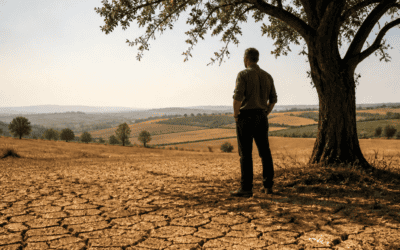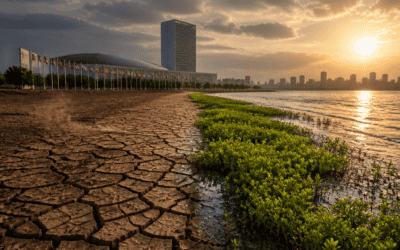
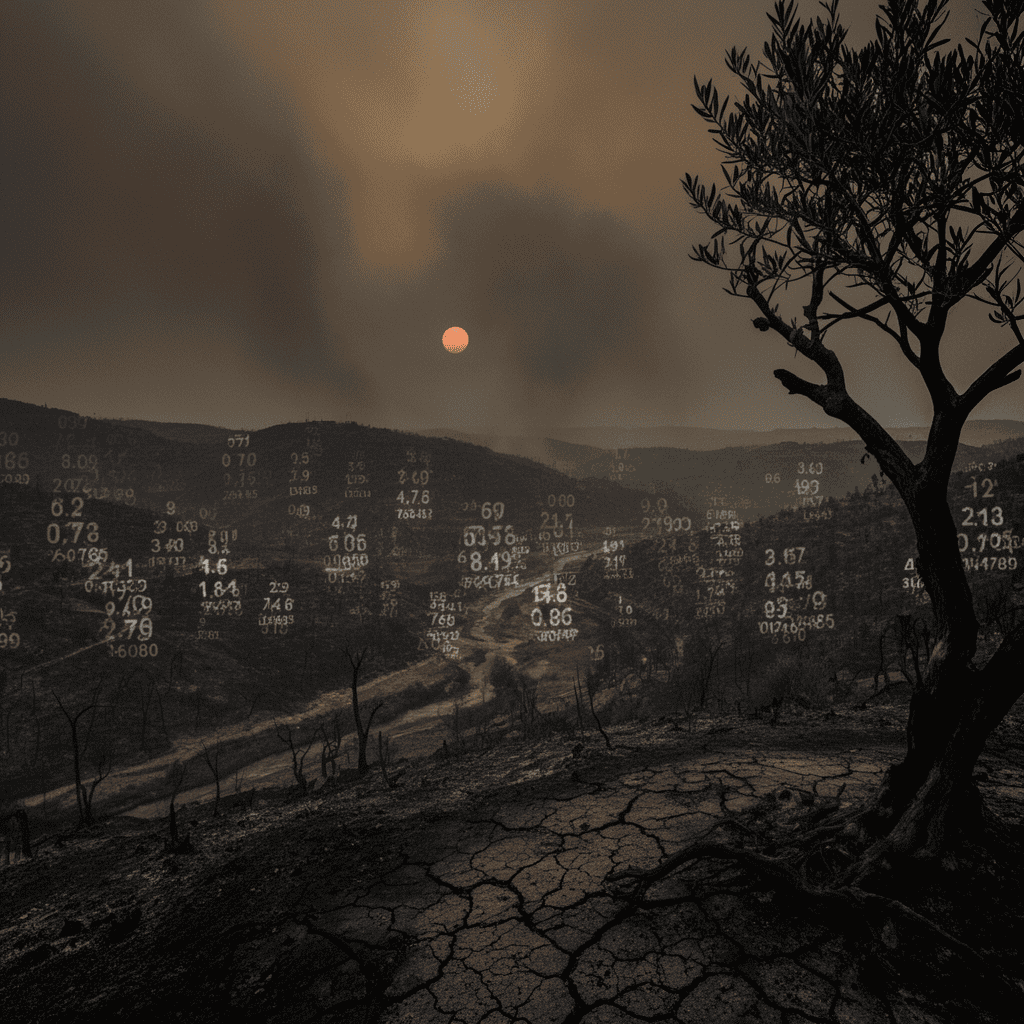
Europe is burning, and the numbers are now impossible to ignore. As of mid-July 2026, the continent’s most destructive heatwave season on record has claimed an estimated 10,440 lives, triggered wildfires across six nations, and generated economic losses approaching EUR126 billion. For those operating in green financial markets, tracking climate risk exposure, or reporting on the accelerating collision between extreme weather and economic stability, this summer represents a watershed moment in how we must price, report, and respond to biosphere-level climate events.
The economic cost of the 2026 heatwave in Europe is not simply a statistic. It is a systemic stress test, one that financial instruments, insurers, policymakers, and newsrooms are only beginning to fully absorb.
The Scale of the Crisis: What the Numbers Actually Mean
Heatwave deaths in Europe in 2026 have surpassed the tragic toll of the 2003 event, long considered the benchmark for climate-related mortality on the continent. The 10,440 confirmed deaths, with projections suggesting the final figure may exceed 14,000, are concentrated in Southern Europe, but the UK, France, and the Benelux region have all recorded significant excess mortality events tied directly to prolonged thermal stress.
The UK heatwave human cost has been particularly stark. With temperatures sustaining above 38 degrees in parts of southern England for consecutive days, the NHS reported hospital admissions 34% above seasonal norms. Heat-related mortality in vulnerable populations, the elderly, those with cardiovascular conditions, and outdoor workers, has prompted a formal review of the UK’s Heat Action Plan, which critics argue remains dangerously underfunded and reactive rather than preventative.
Beyond mortality, the human cost extends into long-term health impacts: respiratory disease exacerbated by wildfire smoke, mental health crises in displaced communities, and chronic illness in populations exposed to sustained thermal overload. These second-order costs rarely appear in immediate damage assessments but represent significant long-tail liabilities for healthcare systems, insurers, and public finances alike.
EUR126 Billion in Economic Damage: Where the Money Is Being Lost
The wildfire economic damage in 2026 alone accounts for an estimated EUR47 billion of the total figure, with Greece, Portugal, Spain, and southern France bearing the most acute destruction. But fire is only one vector of financial loss. The full EUR126 billion damage estimate encompasses:
Agricultural collapse: Crop failures across the Mediterranean cereal belt, olive and vine damage in France and Italy, and livestock losses driven by heat stress and water scarcity have collectively cost an estimated EUR28 billion. Supply chain disruptions are already feeding into food price inflation across European markets.
Infrastructure degradation: Rail buckling, road surface failures, and energy grid strain, particularly from peak cooling demand overwhelming generation capacity, have cost an estimated EUR19 billion in emergency repairs, lost productivity, and grid intervention costs.
Tourism and hospitality sector losses: Cancellations across Southern European destinations, once considered the economic beneficiary of warmer summers, have reached EUR11 billion. The reputational shift away from peak summer travel to affected regions appears to be accelerating a structural, not merely seasonal, decline.
Insurance and reinsurance exposure: Insured losses are estimated at EUR38 billion, though analysts at several major reinsurance desks have flagged that actual claims, particularly for agricultural and SME property losses, are likely to significantly exceed initial modelling assumptions.
Biomass destruction and ecosystem services loss: This is the line item that most traditional economic models still fail to capture adequately. The biomass destruction from extreme weather in 2026 represents not just a one-time asset loss, but a compounding degradation of carbon sequestration capacity, watershed regulation, and soil stability across affected regions.
Biosphere Collapse: The Risk That Markets Are Still Underpricing
The concept of biosphere collapse as a climate risk driver is moving rapidly from academic framing into active discussion in green bond markets, ESG due diligence frameworks, and sovereign risk assessment. What the 2026 heatwave season makes viscerally clear is that the biosphere is not a passive backdrop to economic activity. It is foundational infrastructure.
When forest ecosystems burn at the scale observed this summer, over 1.2 million hectares across the EU as of this writing, the economic consequences do not end with the fire line. Carbon stores are released, reversing years of sequestration that had been quietly underpinning corporate net-zero accounting. Watershed catchments are destabilised, driving downstream flood risk in autumn and winter. Soil erosion accelerates, reducing agricultural viability for years or decades. Biodiversity loss reaches tipping points that cannot be reversed within investment-relevant timeframes.
For green financial markets, this creates a profound challenge: how do you price an asset class, natural capital, ecosystem services, carbon credits tied to standing biomass, when the physical risk of that asset being destroyed in a single extreme weather season is rising exponentially? The answer, increasingly, demands real-time, granular data on biosphere conditions and extreme weather exposure, not annual reporting cycles and retrospective damage assessments.
The financial markets most exposed to this risk include:
Green and sustainability-linked bonds with nature-based solution components. Agricultural commodity derivatives and food sector equities. Infrastructure funds with Southern European exposure. Insurance and reinsurance portfolios across property, agricultural, and liability lines. Sovereign debt in nations where climate damage is materially degrading fiscal headroom.
The Reporting Imperative: Why Journalists and Analysts Must Tell This Story Differently
For journalists and media professionals covering this crisis, the temptation is to lead with the dramatic: the wall of flame, the evacuated villages, the record thermometer readings. These images matter. But the deeper, more durable story is the economic and systemic one.
The heatwave deaths across Europe in 2026 and the EUR126 billion in damages are not disconnected from the financial systems your audiences operate within. Pension funds are exposed to stranded agricultural assets. Insurance premiums are rising in ways that will reshape property markets across Southern Europe. Corporate supply chains dependent on Mediterranean agriculture are facing cost structures they have not modelled for. Sovereign credit ratings in climate-vulnerable nations are under increasing scrutiny.
Connecting the human cost to the financial cost, and then connecting both to the structural inadequacy of current risk pricing, is the journalistic and analytical work that this moment demands. Audiences in green financial markets need more than damage totals. They need context, trajectory, and actionable intelligence about where this crisis is heading and what it means for capital allocation, policy, and portfolio risk.
Key angles that deserve deeper investigation include:
The growing protection gap between insured and uninsured losses, and what it means for public sector balance sheets. The accelerating obsolescence of climate risk models built on historical data that no longer reflects current conditions. The political economy of climate adaptation funding in the EU, and whether the EUR126 billion damage figure will finally shift the fiscal conversation. The role of nature-based solutions in resilience, and the perverse irony that the very assets meant to buffer climate risk are among the first to be destroyed by it.
What Comes Next: Autumn Risk and the Compounding Cycle
The crisis does not end when temperatures fall. The aftermath of a heatwave season of this magnitude creates a cascade of secondary risks that will extend well into 2027:
Flash flood risk: Burned and denuded hillsides across the Mediterranean will have dramatically reduced water absorption capacity. Autumn rainfall events that would previously have been manageable are likely to trigger severe flooding, landslides, and infrastructure failure.
Air quality and respiratory health: Particulate matter from wildfire smoke continues to affect populations hundreds of miles from fire zones. Long-term respiratory and cardiovascular health impacts in affected populations will generate healthcare costs for years.
Agricultural market volatility: Crop shortfalls will feed through to commodity price spikes in Q3 and Q4 2026, with knock-on inflation effects across European food systems.
Political instability: In nations where climate damage has overwhelmed government response capacity, social and political pressures are intensifying. This has material implications for regulatory environments, fiscal policy, and investment risk premiums.
The Data Gap at the Heart of Climate Risk
Perhaps the most important structural lesson of the 2026 heatwave season is that decision-makers, whether in financial markets, newsrooms, or government, are operating with inadequate data at inadequate speed. Damage totals emerge weeks after events. Biosphere condition data is fragmented across incompatible national systems. Extreme weather risk models are updated annually, not in real time.
Closing this gap is not a technical luxury. It is a prerequisite for rational risk management in a climate system that is now delivering EUR126 billion damage events within a single season.
For those working in green financial markets and climate journalism, access to real-time, integrated extreme weather and biosphere impact data is no longer optional. It is the foundation of credible analysis, responsible investment, and journalism that genuinely serves its audience’s need to understand and respond to a rapidly changing world.
Stay Ahead of the Next Extreme Weather Event
The 2026 heatwave has made clear that the pace of climate-driven economic disruption is outrunning the data and analytical tools most organisations rely on. Whether you are structuring a green bond, underwriting a reinsurance portfolio, or writing the story that helps markets and policymakers understand what is at stake, you need real-time intelligence, not retrospective damage reports.
BiosphereRP provides live extreme weather tracking, biosphere condition monitoring, and economic impact modelling built for the speed and complexity of today’s climate reality.
Learn more at the Biosphere Restoration App
Access the dashboard that green financial professionals and climate journalists are using to track extreme weather events, assess biosphere risk exposure, and stay ahead of the economic consequences of a climate system in accelerating disruption.